The Importance of Having a Vehicle Inspected Before Transport
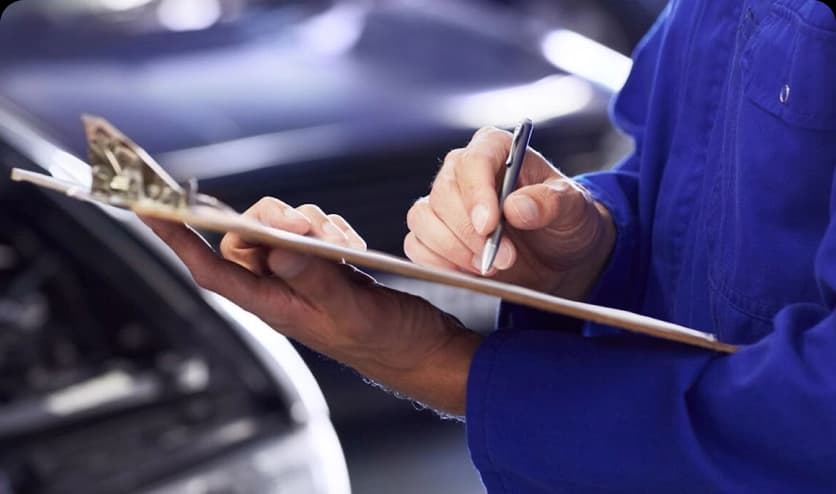

Every year, millions of vehicles are transported across the U.S., and safety is more important than ever. Vehicle inspections are a key part of a secure shipping process, ensuring your car arrives in the same condition it left.
At BAH Logistics, our mission is to provide secure vehicle transportation for residents across the United States while serving as a leading resource for the auto transport industry. A successful shipment relies on more than just transit; it begins with a comprehensive and transparent evaluation of the vehicle. In this guide, we share important insights on why the vehicle inspection matters before transportation, how and when it’s done, and what you need to know for a smooth, worry-free auto transport experience.
Types of Vehicle Inspection
A vehicle inspection is a thorough examination of a vehicle's key components to ensure it is roadworthy, safe to operate, and compliant with regulations. While inspection requirements may vary by location, the process generally involves checking critical systems such as brakes, tires, lights, steering, suspension, emissions, and safety equipment.
There are several common types of vehicle inspections, including:
- Routine maintenance inspections to identify wear and prevent future issues
- State-mandated inspections are required by law to meet safety and emissions standards
- Pre-trip inspections are conducted before operating a vehicle, especially for commercial use
- Pre-purchase inspections are performed to evaluate a vehicle's condition before buying it
Why is Vehicle Inspection Important?
Vehicle inspections offer numerous cost-saving and safety benefits. It also ensures you are compliant with the law. Here are some key reasons to inspect your vehicle.
Ensuring Safety for You and Others
A vehicle that isn't properly maintained can present serious risks, including accidents during transit. According to the National Highway Traffic Safety Administration (NHTSA), vehicle maintenance-related issues contribute to approximately 2% of all traffic crashes. Regular vehicle inspections ensure the safety of both the vehicle and those involved in its transportation.
Prolonging the Life of Your Vehicle
Identifying vehicle issues early allows you to address them before they turn into costly repairs. Regular vehicle inspections help extend the lifespan of your vehicle by ensuring it stays in good condition, which in turn reduces long-term costs related to repairs and replacements.
Meeting Legal and Regulatory Requirements
Compliance with transportation regulations is mandatory in the USA's vehicle shipping industry. Non-compliance can result in serious penalties, such as fines, points on the driver's license, and, in severe cases, legal action against the driver or the company. Regular inspections make sure to avoid such bad situations.
Maintaining Optimal Fuel Efficiency
Regular inspections play a key role in improving fuel efficiency. Well-maintained vehicles operate more efficiently, reducing fuel consumption and providing significant cost savings, especially with fluctuating fuel prices.
Protecting Vehicle Resale Value
Due to periodic inspections, you can keep the value of your car. Regular maintenance ensures that the vehicle remains in good condition, making it more attractive to potential buyers and helping to secure a higher resale price.
Preserving the Environment
With vehicles contributing nearly 28% of total U.S. greenhouse gas emissions, regular inspections are important for protecting our environment. They reduce air pollution by enforcing emissions standards that limit harmful pollutants such as carbon monoxide, nitrogen oxides, and hydrocarbons. Inspections also identify fluid leaks such as oil, coolant, and transmission fluid that can contaminate soil and waterways.
Key Components To Check During an Inspection
Here are the key components to check during a vehicle inspection:
Brakes: Inspect brake pads, rotors, and the overall braking system for responsiveness. Properly functioning brakes are important for safe stopping and accident prevention.
Tires: Check the tire tread depth and condition to avoid blowouts and ensure good traction. Properly inflated tires improve safety, fuel efficiency, and overall vehicle performance.
Lights: Ensure all lights, including headlights, brake lights, and turn signals, are working. Faulty lights can reduce visibility and increase the risk of accidents, especially at night.
Fluids: Regularly check engine oil, coolant, transmission, and brake fluids to ensure they are at proper levels. Low or dirty fluids can lead to engine problems, poor performance, or damage.
Suspension: Inspect the suspension for signs of damage, like worn-out shocks or broken springs. A well-maintained suspension improves ride quality and helps prevent uneven tire wear.
Exhaust System: Check for leaks, rust, or damage in the exhaust system. A faulty exhaust can release harmful gases into the cabin and cause the vehicle to fail emissions tests.
Safety Features: Verify that seat belts are intact and functional, and note if any airbag warning lights are illuminated on the dashboard.
Windshield and Wipers: Ensure the windshield is free of cracks and that wipers are in good condition with adequate washer fluid. Clear visibility is important for safe driving in all weather conditions.
When Should You Get Your Vehicle Inspected?
There is no certain timeline to do inspections. Everything depends on your needs and vehicle usage. Here are some occasions we recommend doing an inspection:
Before long trips: To make your long trip enjoyable and avoid accidents, it is highly recommended to get your vehicle inspected. This will help you identify possible issues and have them recovered before the trip.
Periodic Inspections: Follow your car’s manufacturer’s recommended guidelines and run the inspections. Generally speaking, once every 6 months, depending on the car model.
After an Accident: You should have your car inspected after a car accident. Even if the accident is a small one, you need to inspect your car and identify possible damage and malfunctions.
Before Selling a Car: If you want to sell your vehicle, run an inspection before making a deal. It will eliminate possible issues and keep the high value of the car.
Before and After Car Shipping: Take photographs and document the existing issues and scratches before car transportation. It will be a piece of evidence in case of disputes. As soon as you receive your shipped car, run an inspection to find out whether new scratches or issues occurred. Compare its condition to the pre-transport documentation and photos. This will help you proceed with the process without additional misunderstandings and disputes
State-Mandated Inspections: Many states require annual or biennial safety and emissions inspections. Check your state's Department of Motor Vehicles (DMV) requirements to ensure compliance and avoid penalties.
For High-Mileage or Older Vehicles: Vehicles with high mileage (over 75,000 miles) or older than 7-10 years may benefit from more frequent inspections to catch issues early.
Tips for Maintaining Your Vehicle Between Inspections
Regular maintenance between inspections keeps your vehicle safe, reliable, and compliant with regulations. Here are simple yet effective tips to maintain your vehicle:
Check Tire Pressure and Tread Regularly: Inspect your tires at least once a month. Proper tire pressure improves fuel efficiency, handling, and braking, while adequate tread depth, at least 2/32 inches, ensures good traction, especially in wet conditions.
Monitor Fluid Levels: Check engine oil, coolant, brake fluid, transmission fluid, and windshield washer fluid regularly. Low or dirty fluids can lead to engine damage, overheating, or poor performance. Follow the manufacturer’s recommended oil change schedule.
Replace Worn Wipers and Lights: Windshield wipers should be replaced every 6 to 12 months or when streaking occurs. Check all lights monthly, including headlights, brake lights, and turn signals, and replace burned-out bulbs immediately to maintain visibility and safety.
Listen for Unusual Noises: Pay attention to strange sounds like squealing brakes, grinding, or knocking. These can indicate issues that need immediate attention before they turn into costly repairs.
Address Dashboard Warning Lights Promptly: Never ignore warning lights on your dashboard. They signal potential problems that could compromise safety or lead to expensive repairs if left ignored.
Keep a Maintenance Log: Document all maintenance activities, including dates, mileage, and services performed. This log helps you track when services are due, supports warranty claims, and can increase your vehicle’s resale value by demonstrating proper care.
Sum up
Vehicle inspections are essential for safety, performance, and protecting your investment. Armed with these tips, you can approach inspections with confidence, whether for routine maintenance, long trips, or vehicle transport. At BAH Logistics, we handle your vehicle with professionalism and care, from thorough inspections to safe delivery. Call our experts will answer all your questions.
FAQs About Vehicle Inspections
What happens if my vehicle fails inspection?
If your vehicle fails a state inspection, you will receive a report outlining the issues that need repair. You have 30 to 60 days to fix the problems and return for a re-inspection. Many inspection facilities offer reduced-cost or free re-tests once repairs are completed. For vehicle shipping purposes, pre-transport inspections focus on documenting the condition rather than mechanical compliance, so vehicles with mechanical issues can still be safely transported.
Are inspections required for used cars?
Yes, used cars typically require inspections, but requirements vary by state. Most states mandate safety and emissions inspections when registering a used vehicle or transferring ownership, regardless of the car's age. Additionally, it's recommended to get a pre-purchase inspection before buying a used car to identify any hidden mechanical or safety issues that could cost you later.
Can I inspect my vehicle myself?
Yes, regular self-inspections are encouraged to spot issues early and maintain your vehicle between professional services. However, state-required inspections must be completed by certified facilities to meet legal standards. When shipping your vehicle, you should thoroughly inspect and photograph it beforehand, but the official condition report will be documented with the carrier's inspector at both pickup and delivery.
How long does a car inspection take?
Most routine vehicle inspections take between 30 minutes and an hour. State-mandated safety inspections are generally completed in 30-45 minutes, while more thorough inspections may take longer if issues are found. Vehicle shipping inspections are quicker, typically taking just 10-15 minutes to document exterior conditions and complete the inspection report.
Who is Responsible for Vehicle Safety Inspection?
Vehicle safety inspections are the responsibility of the vehicle owner. As an owner, you must ensure the vehicle meets safety and emissions requirements by completing inspections at certified facilities. For vehicle transport, you are also responsible for inspecting and documenting the vehicle’s condition before shipping, while the carrier documents its condition at pickup and delivery.


